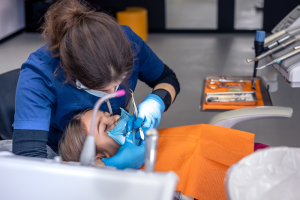


Why do dentists use dental X-rays during regular checkups? A dentist in Coquitlam uses dental X-rays during checkups to see what is happening inside your teeth and jaw. These X-rays help find problems that cannot be seen in a normal checkup, like early tooth decay or changes in the bone. Dental X-rays are used to find problems early, plan treatment correctly, and keep your teeth and gums healthy for a long time.
What are Dental X-Rays?
Dental X-rays are quick and painless images that show the inside structure of your teeth, gums, and jaw. They help dentists understand what is happening below the surface.
They are often used to check for:
- Cavities between teeth
- Infections in the roots
- Changes in the bone
- Hidden damage in teeth
- Problems with tooth growth
Many people looking for dental X-rays near you want to know how this simple scan helps keep their teeth and mouth healthy.
Why Dentists Recommend Dental X-Rays
Dental problems often start without any pain, so they are hard to notice early. X-rays help find these problems before they become serious.
Dentists use X-rays to:
- Detect early signs of tooth decay.
- Check infection inside the teeth.
- Evaluate gum and bone condition.
- Plan dental treatments correctly.
- Monitor changes over time.
This makes dental X-rays an important preventive tool in modern dentistry.
How Dental X-Rays are Done
The process of taking dental X-rays is simple and usually takes only a few minutes.
It involves:
- Placing a small sensor in the mouth
- Using a protective lead apron for safety
- Capturing images using a dental machine
- Reviewing images immediately on a screen
The process is quick, comfortable, and does not require any recovery time.
Safety of Dental X-Rays
Dental X-rays use very low levels of radiation, making them safe for most patients when used properly.
Safety measures include:
- Low radiation exposure
- Fast imaging process
- Protective lead aprons
- Digital technology in many clinics
- Only taken when necessary.
A dental clinic in Coquitlam follows strict safety standards to ensure patients are protected during every X-ray procedure.
When are Dental X-Rays Needed?
Based on your oral health, a dentist near you may recommend X-rays.
General situations consist of.
- Initial dental appointment.
- Dental discomfort or inflammation.
- Examining molar teeth.
- Observing gum fitness.
- Treatments for dental planning.
You don’t need X-rays at every visit, but only when necessary to make a proper diagnosis.
Types of Dental X-Rays
Different X-rays show different parts of the mouth.
- Bitewing X-rays: show cavities between teeth
- Periapical X-rays: show the whole tooth and its roots
- Panoramic X-rays: show the full mouth in one image
- Digital X-rays: give clear images quickly with very low radiation
Each type helps dentists find and understand different dental problems.
Importance of Early Detection
One of the biggest advantages of dental X-rays is early problem detection. Many dental issues do not show symptoms until they become serious.
Early detection helps:
- Prevent tooth loss
- Avoid painful infections
- Reduce the need for complex treatments.
- Save time and cost in future care.
This is why dentists rely on X-rays as a preventive tool.
How Dental X-Rays Support Treatment Planning
Dental X-rays are an important part of creating the right treatment plan. They give a clear view of the teeth and jaw structure.
They help dentists:
- Decide the best treatment option.
- Understand the depth of decay.
- Check bone support for teeth.
- Plan restorations or extractions.
- Track healing after treatment
This ensures more accurate and effective dental care.
Myths About Dental X-Rays
Many people worry about dental X-rays, but most of these worries are not true.
Common myths include:
- Myth: X-rays are harmful
- Fact: They use very low radiation
- Myth: X-rays are only for serious problems
- Fact: They help find problems early and prevent bigger ones
- Myth: X-rays are painful
- Fact: X-rays do not hurt at all
Knowing the truth can help reduce fear and confusion.
How Often Should Dental X-Rays Be Taken?
The frequency depends on age, oral health, and risk level.
General guidelines:
- Children: more frequent monitoring
- Adults with healthy teeth: less often
- Patients with dental problems: as needed
- New patients: initial evaluation X-rays
Your dentist will decide the safest schedule.
Stay Ahead of Dental Problems with Early and Accurate Care!
Dental X-rays play an important role in finding hidden dental issues early, helping ensure safe, accurate, and effective treatment planning for better long-term oral health. They support dentists in making the right decisions before problems become more serious or painful. For trusted care, advanced technology, and professional dental services, Dr. Ross Dental is committed to helping you maintain a healthy, strong, and confident smile for years to come. Book your consultation today.
FAQs
Are dental X-rays safe for everyone?
Yes, dental X-rays are safe for most patients because they use very low levels of radiation along with protective safety measures to keep the body protected.
Do dental X-rays hurt?
No, dental X-rays are completely painless and quick, and they only take a few minutes to complete.
Why are dental X-rays important?
They help detect hidden dental problems early that cannot be seen during a normal dental checkup, allowing faster and more accurate treatment.
How long does a dental X-ray take?
A dental X-ray usually takes only a few minutes, making it a fast and simple part of your dental visit.