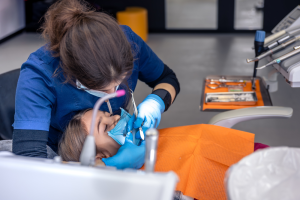


A damaged or decayed tooth does not always need to be removed. Fillings, crowns, and root canal treatment can help fix the tooth and keep it in place. If you have a cavity, a cracked tooth, or pain when chewing, visiting a dentist near you can help find the problem early. Getting treatment early may prevent more damage and help save your tooth.
Restorative dentistry in Coquitlam focuses on repairing teeth affected by decay, cracks, or other damage. The right treatment depends on how much healthy tooth remains and whether the inner part of the tooth is affected. Although restorative care can help save many teeth, it cannot prevent every case of tooth loss. Severe damage, advanced gum disease, or an infection that cannot be treated may still necessitate tooth removal.
How Can Restorative Dentistry Help Save Teeth?
Restorative dentistry repairs damaged parts of a tooth so it can continue to function. Treating a problem early can help stop further damage and protect the remaining healthy tooth structure.
Common treatments include:
- Dental fillings: Fix small cavities and restore the tooth’s shape.
- Dental crowns: Cover and protect a weak or badly damaged tooth.
- Root canal treatment: Removes infected or damaged tissue from inside the tooth to help save it.
- Dental inlays and onlays: Repair damage that is too extensive for a simple filling but may not require a full crown.
A dentist in Coquitlam can examine the tooth and recommend a treatment based on its condition.
Which Dental Problems Can Lead to Tooth Loss?
Tooth loss can happen when a tooth is too badly damaged to be repaired or when the gums and bone around it are badly damaged.
Common causes include:
- Untreated tooth decay: A cavity can get bigger and damage more of the tooth if it is not treated.
- Cracks or breaks: Serious damage may leave too little healthy tooth to support a repair.
- Advanced gum disease: Damage to the gums and bone can loosen teeth.
- Dental infection: An infection may spread into the inner part of the tooth and surrounding tissues.
Regular dental checkups can help identify these problems early. However, the best way to protect a tooth depends on the cause and extent of the damage.
When Is Restorative Treatment Not Enough?
Restorative treatment may not save a tooth if too much healthy structure has been lost. A tooth with a deep crack extending below the gumline may not be repairable. Severe bone loss from gum disease can also leave a tooth too loose to be kept safely.
Sometimes, a dentist may need to remove a tooth to prevent more problems. This depends on whether the tooth can be fixed, whether the infection can be treated, and whether it can remain firmly in place after treatment.
Restorative dentistry near you can help you understand the available options before deciding how to treat a damaged tooth.
Is It Better to Save a Tooth or Get an Implant?
Saving a natural tooth is often preferred when it can be repaired and is likely to remain healthy. However, a dental implant may be a suitable option when a tooth cannot be saved or has already been removed.
| Saving a natural tooth | Getting a dental implant |
| Keeps your original tooth and its natural root. | Replaces a missing tooth with an artificial root and crown. |
| May involve a filling, crown, or root canal. | Requires surgery and time for healing. |
| May be less complex when damage is limited. | May require bone grafting if there is not enough supporting bone. |
| Can still need ongoing care and future treatment. | Needs daily cleaning and regular dental checkups. |
Neither option is right for everyone. A dental implant does not develop cavities, but the surrounding gums and bone can still become inflamed or infected. Your dentist can explain the likely benefits, risks, costs, and long-term care for each option.
How Can You Lower Your Risk of Losing a Tooth?
Good daily habits and regular dental visits can help keep your teeth healthy.
- Brush your teeth twice a day with fluoride toothpaste.
- Clean between your teeth every day.
- Eat fewer sugary snacks and drink fewer sugary drinks.
- Wear a mouthguard during sports if needed.
- See a dentist if you have pain, swelling, cracks, or ongoing tooth sensitivity.
- Visit your dentist regularly to find dental problems early.
These steps cannot prevent every dental problem, but they can lower the risk of cavities and help keep your teeth and gums healthy.
Take Steps to Protect Your Natural Teeth!
Early care may help prevent minor dental problems from becoming more serious. Dr. Ross Dental can assess damaged teeth, explain suitable treatment options, and help you understand whether a tooth may be saved. Book an appointment to discuss your concerns and plan the next steps for your dental health.
FAQs
Can a filling help save a tooth?
Yes, a filling can fix a small cavity and help stop more damage. If the damage is severe, you may need a crown or root canal treatment.
Can a root canal save a badly infected tooth?
A root canal can often save a tooth with infected or damaged tissue inside, if the tooth can still be repaired. However, some teeth are too badly damaged to save.
Does a crown make a tooth strong again?
A crown covers and protects a weakened tooth, helping it handle chewing. However, it cannot guarantee that the tooth will never crack or need further treatment.
Can gum disease cause tooth loss even if the teeth have fillings?
Yes. Fillings repair damage within teeth, but they do not treat gum disease. Gum and bone problems need separate care to help prevent teeth from becoming loose.